
Cognizil™ — The Real Math Behind 15.47 mg
Cognizil's own printed Supplement Facts panel lists twenty-one ingredients sharing one 15.47 mg proprietary blend, with no split disclosed. This page does the division, ingredient by ingredient, against the doses those same ingredients are actually studied at.
- 1 ml daily
- 21 ingredients, 1 blend
- Contains caffeine
- 180-day guarantee
| The label prints | What that works out to |
|---|---|
| 15.47 mg, 21 ingredients | 0.737 mg each, if split evenly |
| Heaviest-first listing rule | Sets a maximum, not an actual amount |
| Grape seed & guarana | Only 2 of 21 can reach a studied dose |
Secure, encrypted checkout · one-time payment
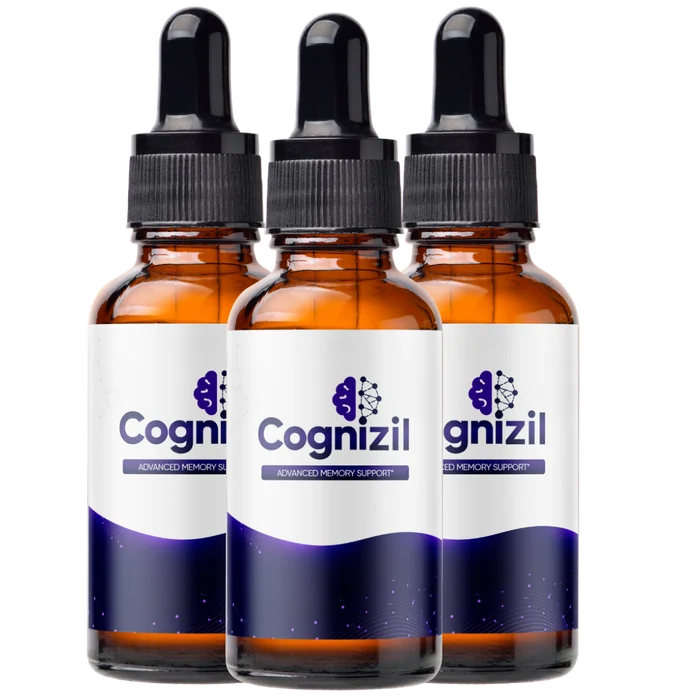
One blend, twenty-one ingredients
- 1The printed label lists chromium plus twenty-one ingredients in one undivided proprietary blend.
- 2Split evenly, that's 0.737 mg per ingredient — far below most of their researched doses.
- 3Guarana and green tea are natural caffeine sources, not called out as "caffeine" on the label.
- 4180-day money-back guarantee, one-time purchase, no subscription.
Read This About Cognizil™ Before Anything Else
Twenty-one ingredients share one 15.47 mg blend, and the label doesn't say how it's split. Federal rules only require blend ingredients to be listed heaviest first, which sets a maximum for each position — not an actual amount. Even granting every generous assumption the label allows, most of these ingredients fall well short of the doses used in their own research.
Guarana and green tea extract are natural caffeine sources. Neither is labeled with a caffeine amount. If you're sensitive to caffeine or limiting your intake, take that into account.
Grapefruit seed is on the label. Grapefruit-family compounds are well known to interact with a range of prescription medications — talk to a pharmacist if you take any regularly.
Why Choose Cognizil™
Manufacturing standards and label facts — the claims a buyer can actually hold against something stated plainly.

Made In The USA
Distributed by Cognizil, PO Box 12730, Ogden, UT 84404, per the printed label.

Botanical & Amino Acid Blend
Twenty-one plant extracts and amino acids on the label — though botanical doesn't mean effective at any dose, as the arithmetic below shows.

FDA-Registered Facility
A facility can be FDA-registered. No dietary supplement is ever FDA-approved, and nothing on this site claims otherwise.

GMP-Certified
Produced under Good Manufacturing Practice standards, per the seller's materials. That describes process, not potency.
See The Full Cognizil™ Label Before You Order
Every ingredient transcribed from the printed panel, and the dose math explained — further down this page.
Order Cognizil — from $49
What Is Cognizil™?
A liquid dropper dietary supplement sold as "Advanced Memory Support." One 30 ml bottle holds 30 servings of 1 ml each. What it actually contains, per the printed Supplement Facts panel, is Chromium (as Chromium Picolinate) 7 mcg plus a 15.47 mg proprietary blend of Maca Root Extract, African Mango Seed Extract, Grape Seed Extract, Guarana Seed Extract, Eleuthero Root Extract, Astragalus Root Extract, Green Tea Leaf Extract, Gymnema Leaf Extract, Forskohlii Root Extract, Cayenne Pepper Fruit Extract, Grapefruit Seed, Panax Ginseng Root Extract, Raspberry Ketones, L-Glutamine, L-Tyrosine, L-Arginine, Beta Alanine, Monoammonium Glycyrrhizinate, GABA, L-Tryptophan and L-Carnitine HCl.
One dropperful a day, per the label. It is a supplement, not a medication, and it has not been evaluated by the FDA to diagnose, treat, cure or prevent any disease.
- 22 ingredients named on the label — only chromium individually dosed.
- Contains natural caffeine — guarana and green tea — not called out as "caffeine" on the panel.
- Includes several weight-management ingredients on a formula marketed for memory.
- 180-day money-back guarantee, one-time purchase, no subscription.
Cognizil™ Packages And Pricing
Two, three or six bottles. One-time payment, 180-day guarantee on every one.
2 Bottles
60 ml · 60 days
per bottle · $2.63/day
Total: $158
Shipping calculated at checkout
- Starter package
- 180-day money-back guarantee
6 Bottles
180 ml · 180 days
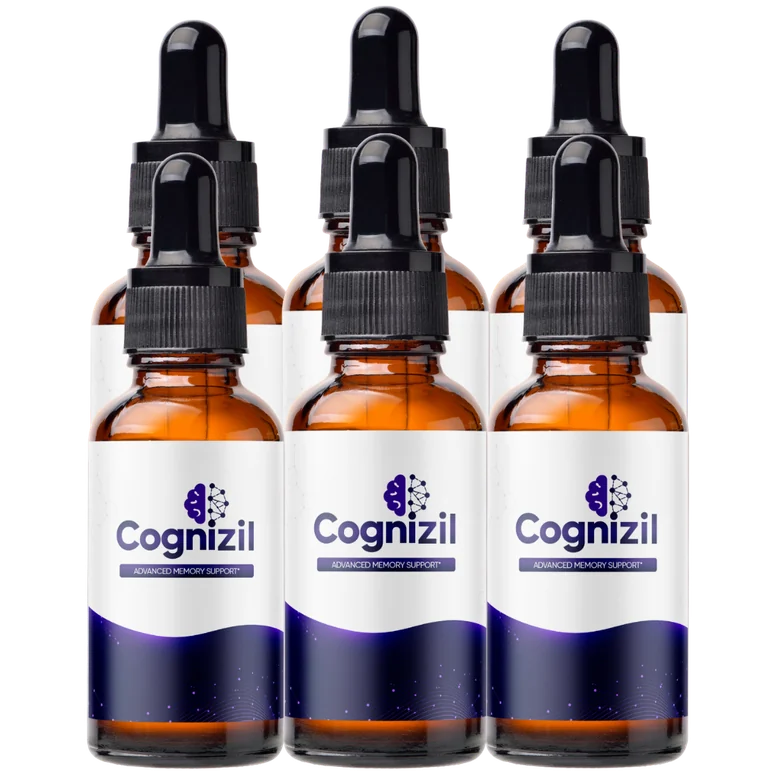
per bottle · $1.63/day
Total: $294
Lowest cost per day
Free US shipping
- Lowest cost per bottle
- Free US shipping
- 180-day money-back guarantee
3 Bottles
90 ml · 90 days
per bottle · $2.30/day
Total: $207
Free US shipping
- Free US shipping
- 180-day money-back guarantee
A one-time purchase, per the seller's stated policy — no subscription, no auto-ship. No single-bottle price or shipping figure was published; confirm your final total and shipping charge at checkout.
The Cognizil™ 180-Day Money-Back Guarantee
180 days, per the seller's own sales materials — an unusually long window for this category. If you're not satisfied, contact the seller within the guarantee period and follow the return process in the refund policy.
Confirm the specifics before you rely on it — whether the window is counted from purchase or delivery, and what the return process requires — directly against the refund policy at checkout.
Cognizil™ Bonus Materials
The asset pack for this build did not include any bonus guide artwork or bonus descriptions. If checkout offers digital bonuses, describe what's actually in them here rather than an invented dollar figure.
The Story Behind This Cognizil™ Page
Building this page meant reading the one document that actually governs what's in the bottle: the printed Supplement Facts panel. It's a real, complete label — a serving size, a servings count, a quantified ingredient, an Other Ingredients line, extract ratios, a distributor address and a phone number. That's more than many labels in this category bother to print, and it deserves credit before anything else here argues with it.
What it also shows is division. Chromium is dosed at 7 mcg. Everything else — twenty-one further ingredients, from maca root to L-carnitine — shares a single 15.47 mg proprietary blend, with no breakdown of how that weight is split between them.
Split evenly, 15.47 mg across 21 ingredients averages 0.737 mg each. Federal labeling rules require blend ingredients to be listed heaviest first, which sets a maximum for each position rather than an actual amount — and even granting the label's own extract-ratio claims in full, most of the ingredients here fall well short of the doses used in their own research.
None of that means the label is dishonest about what it lists — it names real ingredients, transcribed in full below. It means the amount of most of them is very unlikely to matter much, and that's worth knowing before you decide what to expect from a bottle.
The Real Cognizil™ Formula, Ingredient By Ingredient
Twenty-two ingredients, transcribed directly from the Supplement Facts panel, with what's known about each one's researched dose.
Only chromium is individually dosed. The other twenty-one share one undivided 15.47 mg proprietary blend, so there is no way to know how much of any single one of them is actually in a serving.
Chromium (as Chromium Picolinate) — 7 mcg, 20% DV
The only individually dosed ingredient on this label. The daily-value arithmetic checks out: 7 mcg is exactly 20% of chromium's Daily Value.
Maca (Lepidium meyenii) Root Extract
The heaviest ingredient in the blend by listing order. Studied mostly for libido at 1.5–3.5 g a day; a systematic review called the evidence too limited for firm conclusions.
African Mango (Irvingia gabonensis) Seed Extract
A weight-management ingredient studied at around 300 mg a day. A systematic review of its trials found none reported proper randomization.
Grape (Vitis vinifera) Seed Extract
Studied at 100–2,000 mg a day for blood pressure. One of only two ingredients on this label that can reach a studied dose, on the most generous possible reading.
Guarana (Paullinia cupana) Seed Extract
A natural caffeine source. Studied at 37.5–500 mg a day; a meta-analysis found an effect on response time and nothing on accuracy. The second ingredient able to reach a studied dose here.
Eleuthero (Eleutherococcus senticosus) Root Extract
Studied at 90–180 mg of dry aqueous extract; the controlled trial available concluded any effect was negligible.
Astragalus membranaceus Root Extract
Not a cognitive ingredient in the literature reviewed for this label — studied mainly in immune function and kidney disease, at around 500 mg a day.
Green Tea Leaf Extract (Camellia sinensis)
A second natural caffeine source. No cognition-specific dose was found in the literature reviewed; regulators note that 800 mg or more of EGCG daily, for four months or longer, has raised liver enzymes in some people.
Gymnema (Gymnema sylvestre) Leaf Extract
A diabetes-support botanical studied at around 400 mg a day, with effectiveness not clearly shown. Not a cognitive ingredient.
Forskohlii (Coleus forskohlii) Root Extract
A metabolic ingredient studied at around 500 mg of a 10% extract. The human evidence is two small trials, one of them a straightforward null result in women.
Cayenne Pepper (Capsicum annuum) Fruit Extract
A thermogenic ingredient; the label states no capsaicin content, so its studied dose (roughly 2–150 mg of capsaicin a day) can't be matched against this panel.
Grapefruit (Citrus paradisi) Seed
Worth its own caution. Grapefruit-family compounds are well documented to interact with a range of prescription medications. Separately, published analyses of commercial "grapefruit seed extract" products have repeatedly traced their activity to synthetic preservatives rather than grapefruit itself — a real question about what this specific ingredient contains.
Panax Ginseng Root Extract
One of the more genuinely cognitive ingredients on this label, studied at 200–400 mg a day of standardized extract, and one of the few carrying no extract-ratio claim on this panel.
Raspberry Ketones
No human trial at supplement doses exists in the literature reviewed — the evidence base is cell and rodent studies.
L-Glutamine
An amino acid dosed in grams in its research (5 g in a single post-exercise dose). At this blend's total weight, its share is a tiny fraction of that.
L-Tyrosine
Arguably the most mechanistically defensible cognitive ingredient here, studied at roughly 100 mg/kg (about 7 g for a 70 kg adult) — and the furthest from that dose of anything on this label.
L-Arginine
Trials run from 5 g upward; higher doses have caused gastrointestinal distress. This blend's total weight is a fraction of a typical single dose.
Beta Alanine
The International Society of Sports Nutrition's position stand calls for 4–6 g a day for at least two to four weeks — grams, not milligrams.
Monoammonium Glycyrrhizinate
A licorice-derived flavoring agent, not used at a therapeutic dose here. Its relevant number is a safety ceiling (~100 mg/day), and this blend's total is far below that.
GABA (Gamma-Aminobutyric Acid)
Studied from roughly 2 mg (stress studies) up to 100–300 mg (sleep). A systematic review notes there's no clear evidence oral GABA crosses the blood-brain barrier in humans.
L-Tryptophan
A sleep-and-mood amino acid; meta-analyzed trials split around 1 g a day or more — again, grams rather than the milligram-scale share available here.
L-Carnitine HCl
The lightest-listed ingredient in the blend. Typically studied at 1–4 g a day (range 0.25–6 g) — again, grams versus this blend's milligram total.
Three things worth naming directly. First, seven of the twenty-two ingredients here are amino acids that are studied in gram quantities everywhere else in the literature — a proprietary blend measured in milligrams cannot deliver a gram-scale dose of even one of them, let alone all seven. Second, guarana and green tea are real, undisclosed-by-amount caffeine sources. Third, grapefruit seed carries both a drug-interaction reputation and a documented ingredient-authenticity question in this category.
Best case vs. studied dose — three examples
Why "heaviest first" sets a ceiling, not an answer
Federal rules require proprietary-blend ingredients to be listed in descending order by weight. That means the second ingredient can't outweigh the first, the third can't outweigh the second, and so on — which puts a mathematical ceiling on each position. It does not tell you the actual amount, which the label is not required to disclose inside a blend.
Cognizil™ Cautions Worth Naming
Drawn from what's actually on the printed label, not from a memory-support headline.
1. Natural caffeine, undisclosed by amount. Guarana and green tea leaf extract are both caffeine sources. If you are sensitive to caffeine, pregnant, or limiting your intake for another reason, factor this in even though no milligram figure is printed.
2. Grapefruit seed and medication. Grapefruit-family compounds affect how the body processes a number of common prescription medications. Talk to a pharmacist before use if you take any regularly.
3. Seven amino acids at milligram-scale doses. None of L-glutamine, L-tyrosine, L-arginine, beta alanine, GABA, L-tryptophan or L-carnitine can plausibly be present at anything close to their researched gram-scale doses inside a 15.47 mg total blend.
4. Not suitable without medical advice if pregnant, nursing, or under 18, per the printed label's own caution.
None of the above claims this formula is unsafe for everyone — the ingredients here are, individually, common and generally well tolerated at typical supplement doses. It claims that most of them are very unlikely to be present in an amount that matters, and that the caffeine and grapefruit points deserve a specific look if they apply to you.
Order Cognizil™ Knowing What's Actually Inside
The real label, the real arithmetic, and a 180-day guarantee on a one-time purchase.
Order Cognizil NowWhat Cognizil™ Is Formulated To Support
Support, not treatment, and based on the ingredients actually on the label — with the dose caveats above still in mind. Individual results vary.
01 — Alertness from natural caffeine
Guarana and green tea are real, if undisclosed-by-amount, caffeine sources — the one mechanism here that doesn't depend on trace dosing.
02 — A traditional-use focus botanical
Panax ginseng carries genuine cognitive research interest, even though this blend can't confirm its dose.
03 — Antioxidant support
Grape seed and green tea both contribute antioxidant polyphenols, independent of the dose question.
04 — A traditional energy botanical
Eleuthero and maca both carry long traditional use for stamina and vitality.
05 — A calm-and-mood botanical mix
GABA, L-tryptophan and licorice-derived glycyrrhizinate are traditionally associated with mood and relaxation.
06 — Amino acid building blocks
L-tyrosine, L-arginine, L-glutamine, beta alanine and L-carnitine are all real amino acids, present at a trace of their studied amounts.
07 — A simple one-dropperful routine
One millilitre daily, per the printed label. Nothing to mix or measure beyond the dropper itself.
08 — Made in the USA, per the label
Distributed from Ogden, Utah, per the printed distributor address.
09 — A 180-day guarantee
See the guarantee section for what to confirm before relying on it.
These statements have not been evaluated by the Food and Drug Administration. Cognizil is not intended to diagnose, treat, cure or prevent any disease, including memory loss or any diagnosed cognitive condition.
Cognizil™ Pricing At A Glance
See the full package comparison in the pricing section above.
The Cognizil™ Guarantee, In Short
180 days, per the seller's own sales materials. Confirm the exact terms and return process at checkout before ordering.
Cognizil™ Frequently Asked Questions
What is actually in Cognizil?
Per the printed Supplement Facts panel: Chromium (as Chromium Picolinate) 7 mcg, plus a 15.47 mg proprietary blend of 21 further ingredients — maca, African mango, grape seed, guarana, eleuthero, astragalus, green tea, gymnema, forskohlii, cayenne, grapefruit seed, panax ginseng, raspberry ketones, and seven amino acids.
How much of each ingredient is actually in a serving?
Not published, and not legally required inside a proprietary blend. Federal rules require heaviest-first listing, which sets a maximum for each position — not an actual amount. Split evenly, 15.47 mg across 21 ingredients averages 0.737 mg each.
Can 15.47 mg across 21 ingredients do anything?
For a few very potent compounds, milligram doses matter. Most ingredients here aren't in that category — several amino acids are studied in grams, several botanicals in hundreds of milligrams. Only 2 of the 21 (grape seed and guarana) can reach a studied dose, and only on the most generous reading of the label.
Does Cognizil contain caffeine?
Yes — guarana and green tea extract are both natural caffeine sources, though neither is labeled with a caffeine amount.
Is grapefruit seed in Cognizil a concern?
Two things worth knowing: grapefruit-family compounds interact with several prescription medications, and published lab analyses of commercial "grapefruit seed extract" products have repeatedly traced their activity to synthetic preservatives rather than grapefruit itself.
Why are there weight-management ingredients in a memory supplement?
African mango, gymnema and forskohlii are studied mainly for metabolic effects, not cognition, and cayenne is thermogenic. Worth noticing on a label marketed for memory support.
Does Cognizil treat memory loss or any diagnosed condition?
No, and no dietary supplement may lawfully claim to. It is a dietary supplement, not a treatment for any diagnosed condition.
What does the guarantee cover?
180 days, per the seller's own sales materials. Confirm the exact terms and return process at checkout.
Do you publish a star rating?
No independently verifiable customer rating is published on this site.
Order Cognizil™ — Knowing What's In The Bottle
One dropperful a day, per the label, with the dose math and the real cautions stated plainly.
- Free US shipping on the 3 and 6 bottle packages
- A one-time purchase — no subscription, no auto-ship
- 180-day money-back guarantee — confirm the exact terms at checkout
Before you order: if you're caffeine-sensitive or take regular medication, note the guarana/green tea caffeine and the grapefruit seed ingredient above.
2-bottle rate: $79 a bottle
Today from $49
Order Cognizil NowSecure checkout · 180-day money-back guarantee
The Cognizil™ Label, In Full
Transcribed directly from the Supplement Facts panel. This is the authoritative source for this page.
Supplement Facts
Serving Size: 1 ml · Servings Per Container: 30
| Calories | 0 |
| Chromium (as Chromium Picolinate) | 7 mcg · 20% DV |
| Proprietary Blend † | 15.47 mg |
Maca (Lepidium meyenii) Root Extract^, African Mango (Irvingia gabonensis) Seed Extract*, Grape (Vitis vinifera) Seed Extract^, Guarana (Paullinia cupana) Seed Extract^, Eleuthero (Eleutherococcus senticosus) Root Extract^, Astragalus Membranaceus Root Extract^, Green Tea Leaf Extract^, Gymnema Sylvestre Leaf Extract^, Forskohlii (Coleus forskohlii) Root Extract^, Cayenne Pepper (Capsicum annuum) Fruit Extract^, Grapefruit (Citrus paradisi) Seed^, Ginseng (Panax ginseng) Root Extract, Raspberry Ketones, L-Glutamine, L-Tyrosine, L-Arginine, Beta Alanine, Monoammonium Glycyrrhizinate, GABA (Gamma-Aminobutyric Acid), L-Tryptophan, L-Carnitine HCl.
† Daily Value not established. * Sourced from a concentrate with a 10:1 extract equivalent. ^ Sourced from a concentrate with a 20:1 extract equivalent.
Other Ingredients: Water, Natural Flavors, Potassium Sorbate, Stevia, Xylitol, Citrus Extract.
Distributed by: Cognizil, PO Box 12730, Ogden, UT 84404 · (877) 257-0710
Reading Worth Doing Before Any Cognizil™ Order
Sources behind the ingredient and dose notes on this page.
- U.S. Food and Drug Administration. Dietary Supplement Labeling Guide: Chapter IV, Nutrition Labeling. fda.gov — labeling guide
- 21 CFR §101.36 — Nutrition labeling of dietary supplements. ecfr.gov — §101.36
- U.S. Food and Drug Administration. Grapefruit Juice and Some Drugs Don't Mix. fda.gov — grapefruit and drugs
- Takeoka, Dao, Wong, Lundin & Mahoney (2001). Identification of benzethonium chloride in commercial grapefruit seed extracts. doi.org/10.1021/jf010222w
- NIH Office of Dietary Supplements. Chromium — Health Professional Fact Sheet. ods.od.nih.gov — chromium
- Congretel, Bonnet, Gaudel et al. (2023). Effect of Guarana on Cognitive Performance: A Systematic Review and Meta-Analysis. doi.org/10.3390/nu15020434